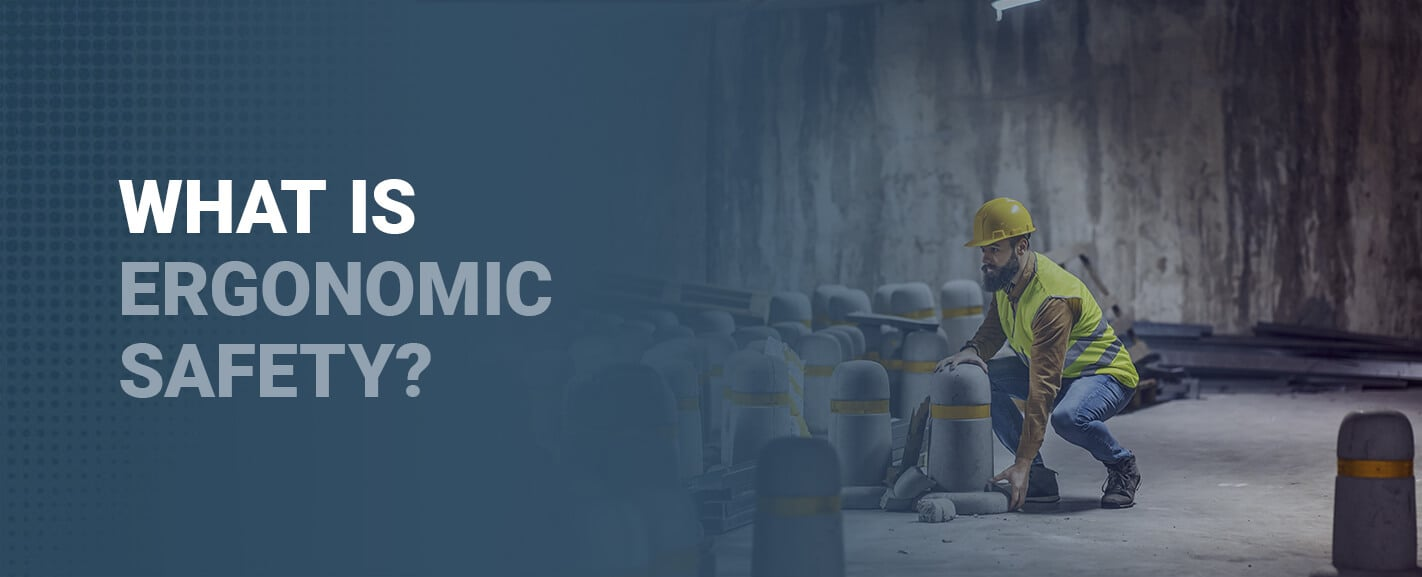
Ergonomics is all about understanding how humans interact with various systems in their environment. In any setting, people face different products, tools, systems and methods that shape how they function individually or in groups. Depending on their design and capabilities, these tools can be a help or a hindrance.
Ergonomic safety, then, focuses on optimizing systems and other elements to keep people safe and healthy. Most often, ergonomic safety concerns the workplace. It involves how positions and situations at work affect the body, from the chair employees sit in to the way they lift heavy boxes. More specifically, ergonomic safety seeks to ensure a worker’s tools and environment fit their job requirements and personal capabilities.
The employee is always the first priority, and companies constantly look for ways to redesign equipment and offices in ways that promote safety, better habits and conditions.
Employees spend much of their time in the workplace, and ergonomics is related to safety. In fact, ergonomic disorders are one of the fastest-growing categories of work-related injuries. Ergonomic safety practices were developed to minimize those risks. When you use ergonomics to study people in their work environment, you’ll find better solutions to reduce injuries, increase employee satisfaction and productivity and create a better, happier environment for everyone.
 Education Support Service Organization, Providing Safe and Clean Facilities for Staff and Students
You must be logged in to post a comment.